26 Apr How meat judging hooked Rebecca on a meat industry career
When Rebecca Bennett entered her first meat judging competition as a high school student on the NSW mid‑north coast, she had no idea the experience would lead her into a red meat career she now describes as the perfect fit.
Looking back, Bec laughs that she once had very different plans for her future.
“I grew up on a property, but I didn’t think that I would end up in the red meat industry exactly – I was always told that I would be an agronomist or a vet,” she said.
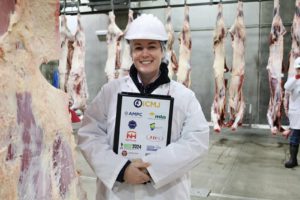
“I was really lucky that I went to a high school that had a hoof and hook program, so we did a lot of cattle showing and that’s how I was first introduced to ICMJ – at Wingham Beef Week.”
While many students first encounter ICMJ at university, Bec was one of the lucky few who found it early.
“I feel very lucky that I was able to get involved in it so young,” she said.
By the time Bec reached the University of New England where she studied a Bachelor of Agriculture and Business, she had already spent years studying the program and envisioning her place within it.
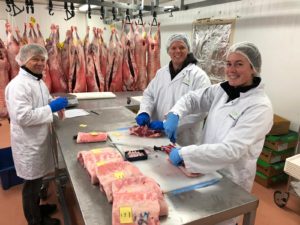
She waited until her final year of university to compete at the ICMJ National Conference and Competition, determined to make the most of the opportunity.
“I wanted all the time possible to build my knowledge for as long as I possibly could,” she said.
Not advancing to ICMJ’s Industry Training Week or the Australian ICMJ team did not define Bec’s experience, instead, it reinforced that there is more than one pathway to impact in the industry.
“I was so passionate about what the program gave to me… I was looking for ways to give back.”
That opportunity came when she began working for Australian Country Choice in Brisbane and was invited to help coach the University of Queensland meat judging team.
She jumped at the chance and coaching soon became one of the most rewarding parts of Bec’s involvement in ICMJ.
“The most special memories are from my coaching experiences over the last couple of years,” she said.
“To see so many young people come through the program and enjoy it as much as I did and to see them progressing through their careers now… it’s so rewarding.”
Bec’s passion for the ICMJ program has kept her closely tied to the industry and has also seen her co-found Meat & Greet, a monthly event that brings together people from across Australia’s meat and agribusiness supply chain to foster the kind of connections that make the industry stronger.
“The network I have built through ICMJ has really cemented me in the red meat processing industry.”
“The industry works best when people know each other, talk openly, and back one another – I really don’t want to go anywhere else,” she said.
Today, about 80 per cent of the people that attend the monthly Meat &Greet events in Brisbane are ICMJ alumni – proof, she says, of the program’s unmatched influence on industry connections.
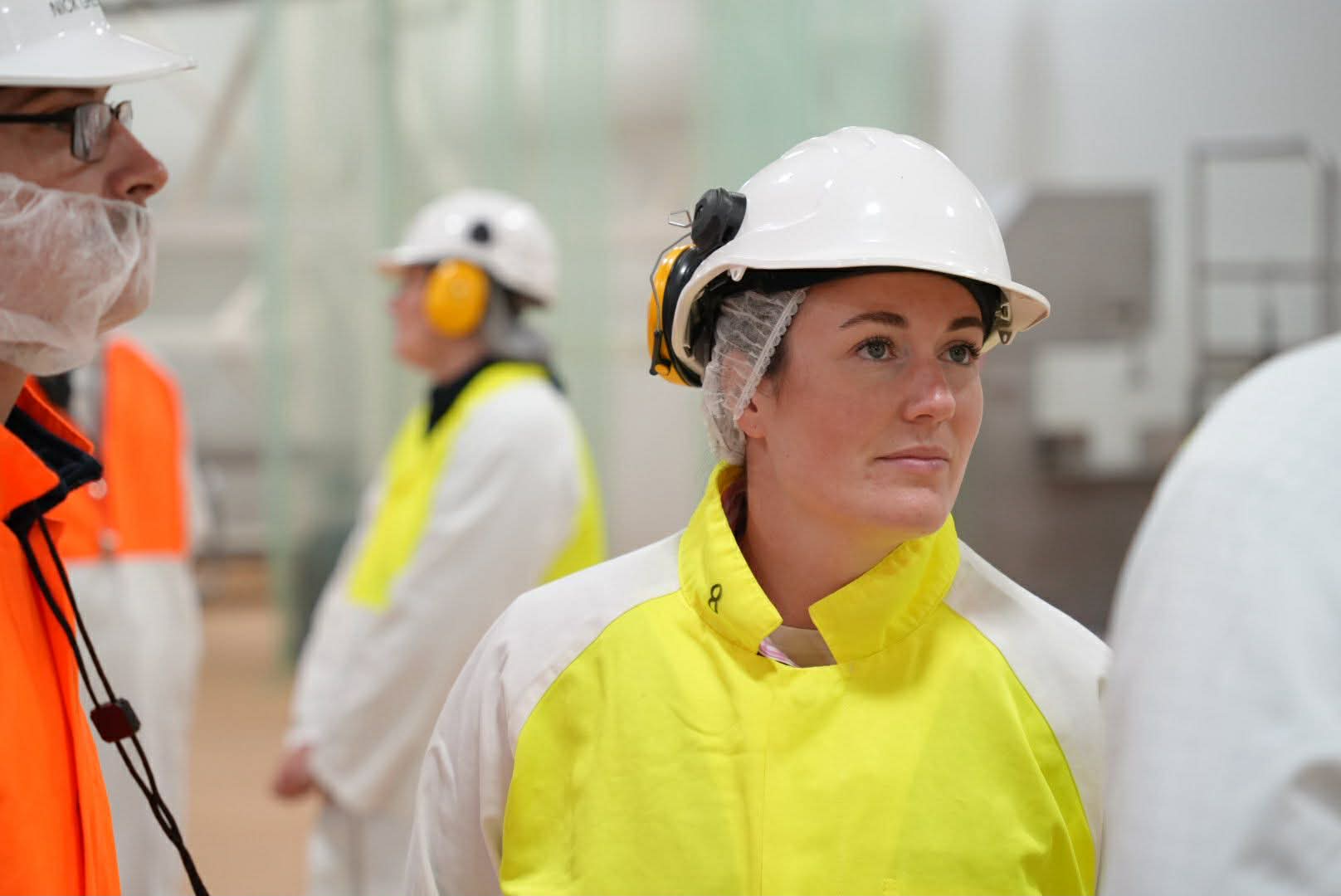
After graduating, Bec spent time with CSIRO in meat science and moved through commercial and industry R&D roles. She was eventually recruited to a role at NRG-ONE, where she works on the adoption of innovative water‑saving knife‑sterilisation technology across processing plants.
It’s a role she describes as the ideal blend of research and industry practicality.
“Everything that I’ve done up to this point has brought me to the perfect role where I get to marry research and development with industry,” she said.
“I feel like the bridge between processors and research.”
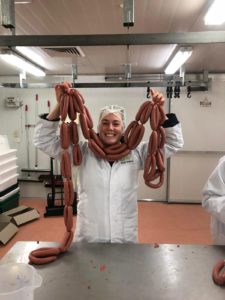
After more than 12 years of involvement with ICMJ, Bec is a huge advocate for ICMJ and for the red meat industry.
She says its greatest strength lies in the people it brings together.
“There are so many amazing mentors out there in the industry who have been through the ICMJ program… it’s really inspiring seeing how far you can go,” she said.
Bec has no doubt the program’s impact will continue to grow, because it focuses on the one thing the industry needs most – future leaders.
“ICMJ has been one of the defining influences in my life… I wouldn’t be where I am today without the ICMJ program,” she said.
“If you want to make a difference in the red meat industry, start with young people… they are going to be the catalyst for change.”